Finding Rhythms Research Highlights the Impact of Music Projects for Black Men Experiencing Mental Health Difficulties
A newly published peer-reviewed study has highlighted the impact of Finding Rhythms music projects delivered in partnership with NHS mental health services in Harrow, North West London.
The research explored three projects delivered between 2023 and 2024, bringing together Black men experiencing severe and enduring mental health difficulties to create original music in collaborative, supportive environments. Many participants had experienced repeated contact with crisis services, inpatient mental health admissions and significant barriers to engaging with traditional support.
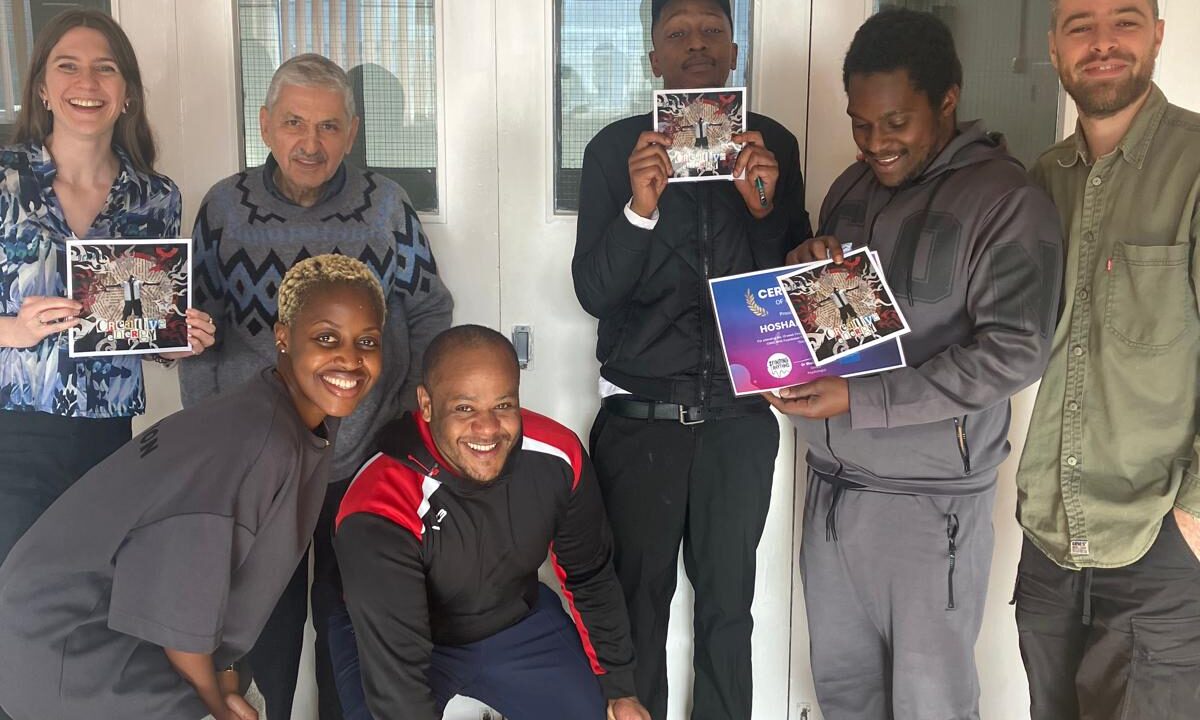
Across the three projects, 27 participants worked alongside Finding Rhythms musicians and NHS psychologists to write, record and produce original music, resulting in three albums: Hotter Than Water, Every Effort Counts and Creative Energy.
The findings demonstrate the powerful role that creativity, connection and self-expression can play in supporting mental health and wellbeing.
Creating Safe Spaces for Expression
Throughout the projects, participants were encouraged to explore ideas, experiences and emotions through music-making, lyric writing and collaboration. Many described the groups as spaces where they felt respected, accepted and able to be themselves.
One participant reflected:
I felt at home in the group. I felt respected and the group was really supportive. There was never any harsh criticism. Everyone was always supported.
Another spoke about the importance of having a space where they could express themselves openly:
I was able to express my emotions. No matter what I had going on, I could come into the group every week and express myself. And it felt okay. It felt safe to do that.
Researchers identified emotional expression, positive relationships and belonging as key themes throughout participant feedback.
Building Confidence and Connection
Participants consistently reported increased confidence and improved feelings about themselves following the projects. Many described feeling more able to meet new people, take on challenges and think positively about the future.
One participant shared:
I have gained confidence and increased my creative ability. Since the group I have had the confidence to start applying for part-time work.
Others went on to pursue employment, education, peer support training and further creative opportunities following their involvement in the programme.
The research also found that participants experienced stronger feelings of safety and belonging within the group, helping to create positive connections with peers, facilitators and support staff.
Measurable Impact
Alongside the personal stories shared by participants, the research identified significant measurable outcomes.
The study found:
• 57% of participants reported improvements in psychological distress
• 71% reported improved feelings about themselves
• 85% reported increased feelings of safety and belonging within the group
• 27 participants collaborated to create three original albums
Researchers also examined participants’ use of inpatient mental health services before and after the projects.
The findings showed:
• 60% reduction in inpatient admissions
• 75% reduction in hospital bed days
• 36% shorter average hospital stays
The projects also supported participants to pursue new opportunities, including employment, education, peer support training and further music-based activities.
These outcomes suggest that creative, culturally relevant interventions can play an important role in supporting both individual wellbeing and longer-term recovery.
Challenging the “Hard to Reach” Label
A key theme within the research was the importance of offering support that feels relevant, meaningful and accessible.
Many of the men involved had previously struggled to engage with services and had often been described as “hard to reach”. Yet the projects demonstrated that when people are offered opportunities to connect through shared interests, creativity and collaboration, meaningful engagement can flourish.
Participants spoke positively about working alongside professional musicians, creating music that reflected their own experiences and contributing to something they could feel proud of. The projects created spaces where people felt respected, listened to and able to tell their own stories.
The research challenges assumptions about engagement and highlights the importance of designing support that is culturally relevant, strengths-based and centred on people’s interests and experiences.
We are incredibly grateful to every participant who took part in these projects, as well as the clinicians, musicians and partners who helped make them possible. Together, they created three albums, shared powerful stories and contributed to research that will help inform future approaches to mental health support.
Perhaps people are not “hard to reach”.
Perhaps they simply need opportunities to be heard.