Our Impact
Music can change how people see themselves, connect with others and imagine their future.
Finding Rhythms uses collaborative music-making to create positive futures for people facing some of the greatest barriers in our society.
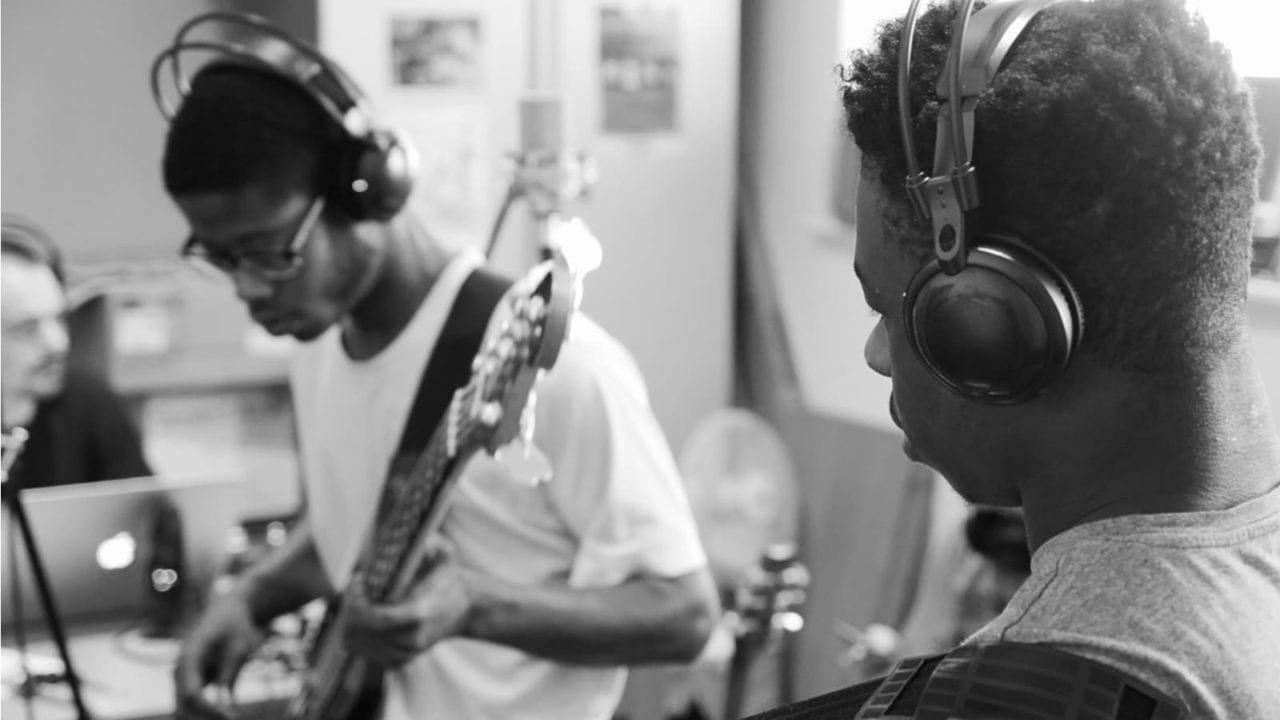
Working across prisons and community settings, we create safe, purposeful spaces where participants can express themselves, feel better, build confidence, develop skills and form positive relationships.
Our impact is supported by participant, facilitator and partner feedback, independent evaluation and peer-reviewed academic research.
Our impact in numbers
• 1,300+ participants engaged
• 200+ projects delivered
• 35+ UK prisons reached
• 500+ participants supported to gain a recognised qualification
• 140 albums of original music created
• 120+ Koestler Awards won for music created in prison settings
Behind every number is an individual who has been given an opportunity to create something they are proud of, develop new skills and experience themselves differently.
What changes for participants?
Our evaluation consistently shows positive outcomes across three areas that are fundamental to long-term change: wellbeing, skills and relationships.
Wellbeing
98% of participants report feeling more positive after completing a Finding Rhythms course.
Our programmes give participants an opportunity to be heard, express themselves creatively and experience achievement. For people who may have spent years being defined by their circumstances, diagnoses or contact with services, creating something meaningful can provide a powerful opportunity to see themselves differently.
100% of our delivery partners reported seeing a visible improvement in participants’ overall wellbeing.
Skills and progression
89% of participants report gaining skills that will help them in the future.
Creating an album requires much more than musical ability. Participants practise communication, collaboration, decision-making, creative problem-solving, commitment and self-expression.
81% report aspiring to take part in purposeful activity such as studying, hobbies or work after completing the course.
Participants can also work towards a King’s Trust qualification in Personal Development and Employability Skills.
Relationships and connection
97% of participants say the course helped them build positive connections with others.
The process creates a shared purpose and a sense of belonging, giving people opportunities to build relationships and experience themselves as part of a group in a different way.
85% report feeling more confident in their relationships generally.
Our evidence
We are committed to understanding not simply what we deliver, but what changes as a result.
Alongside our own evaluation data, Finding Rhythms’ work has been examined through independent evaluation and academic research.
New peer-reviewed research: music-making and mental health, 2026
A new study in Counselling and Psychotherapy Research explored Finding Rhythms projects with 27 Black men experiencing severe and enduring mental health difficulties.
Working with professional musicians and psychologists, participants created three albums of original music. The research found improvements in mental wellbeing, confidence, emotional expression and relationships.
During the year the projects took place:
- 60% reduction in inpatient admissions
- 75% reduction in days spent in hospital
The findings highlight the potential of creative, culturally sensitive approaches to reach people traditional mental health services can struggle to engage.
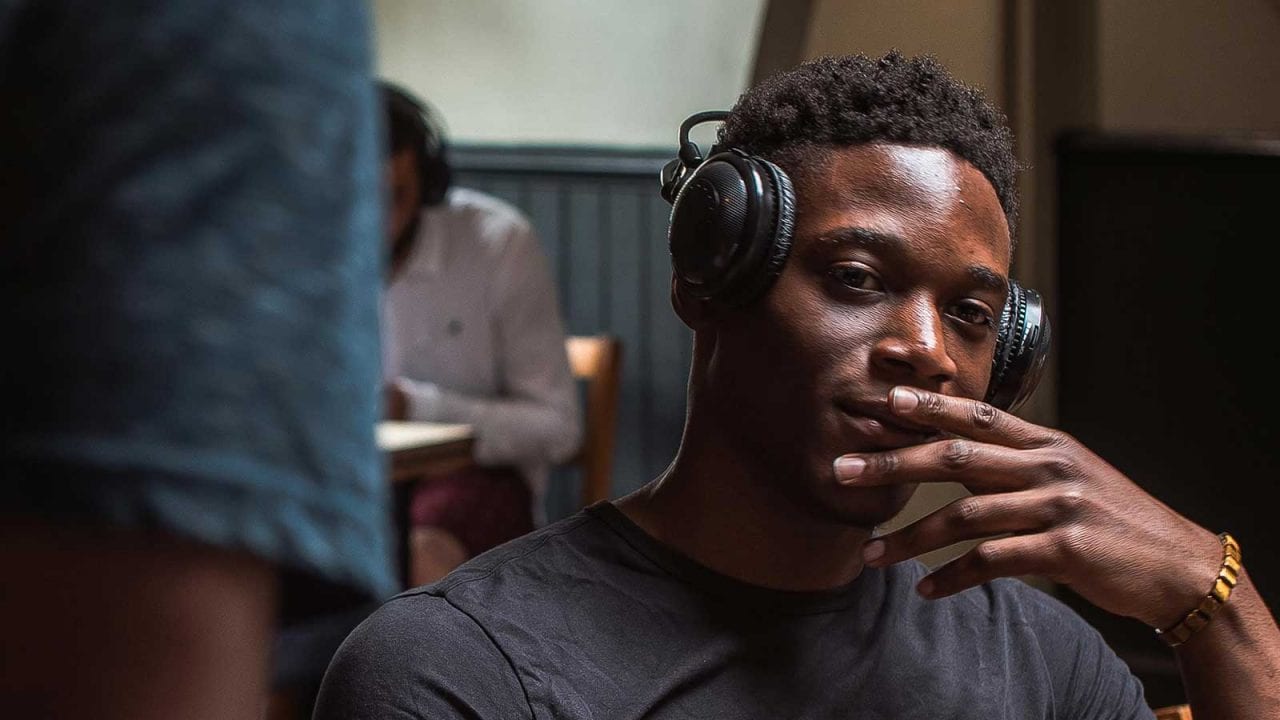
One man was sent to the segregation unit during the project, and the other participants were supportive and offered kindness and support throughout, telling him all about the days that he missed on the programme. The men became a close knit group who treated one another with utmost respect.
Team Lead, Change Grow Live
Independent evaluation of Finding Rhythms Studio (formerly Making Waves)
An evaluation by Edge Hill University explored Finding Rhythms’ Studio programme with young people and adults at risk of offending or involved with the criminal justice system.
The research found that music-making supported wellbeing, confidence, communication and teamwork, while helping participants develop musical skills and aspirations. Participants also described the programme as a positive influence on other areas of their lives and a deterrent to crime.
University of Sussex research
Across two studies, they found that participation supported social engagement and psychological wellbeing, with a shared Finding Rhythms identity helping to dissolve rivalries, build a sense of purpose and strengthen connections beyond the programme.
Help us create more opportunities for change
Our work is made possible by funders and partners who recognise the value of creative, evidence-informed approaches to supporting people facing significant barriers.
With continued investment, we can reach more people, build stronger partnerships and continue developing the evidence for what works.
Interested in funding or partnering with Finding Rhythms?
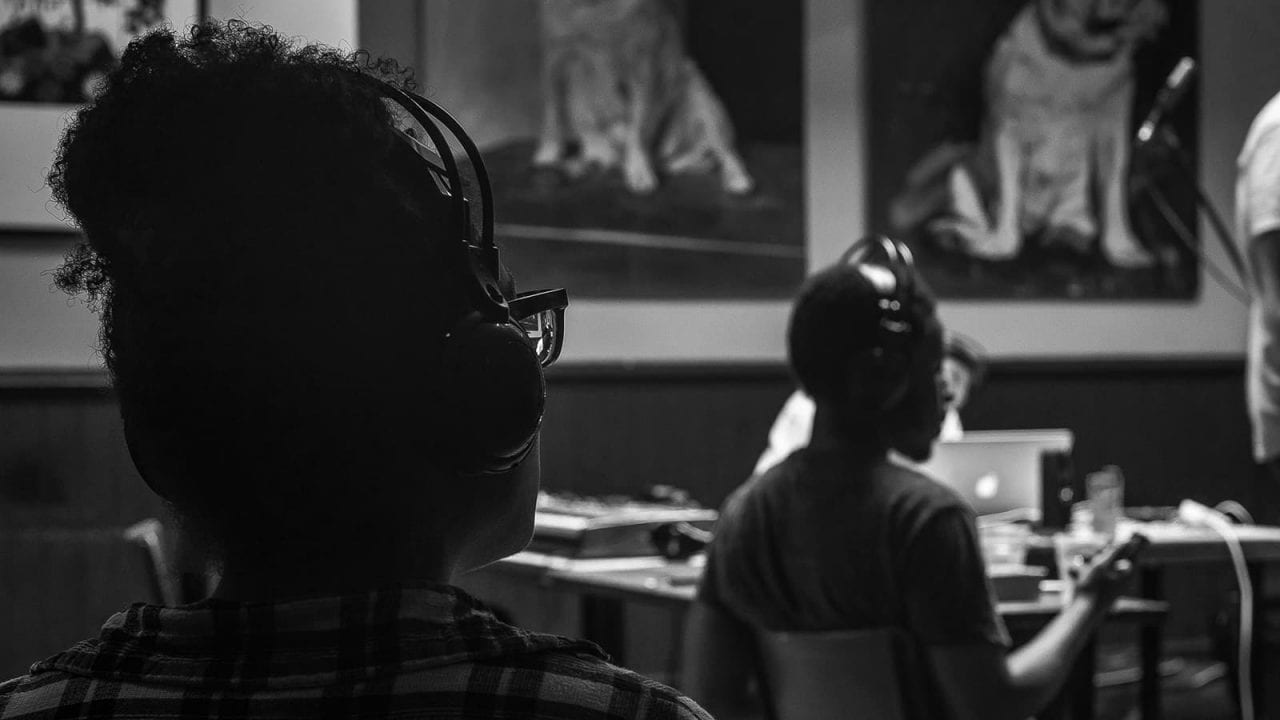
Finding Rhythms helped me find my voice and cadence, especially after leaving prison where sometimes you feel like you ain’t heard. It’s a good way to put across passions and explore musical expressions with people who are genuine and want to help you fulfil and create good forms of artistic expression.
Karim, Finding Rhythms Participant